Buyer guide
How to Get a Mortgage for a Factory-Built Home
Factory home mortgage options explained: real property vs personal property, FHA Title I and Title II, VA, USDA, conventional MH Advantage, and chattel loans for manufactured and modular homes.

Dmitry Bilchenko
Co-founder, Prefably
- Published
- Reading time
- 14 min read
Getting a factory home mortgage is not as simple as financing a stick-built house. Several loan programs are available for manufactured and modular homes, each with different rules around down payments, land ownership, and property classification. Which loan you qualify for depends primarily on whether your home is classified as real property or personal property. This article explains every major program, what lenders check, and how to find the right financing path before you ever talk to a builder.
The One Factor That Determines Which Factory Home Mortgage You Can Get
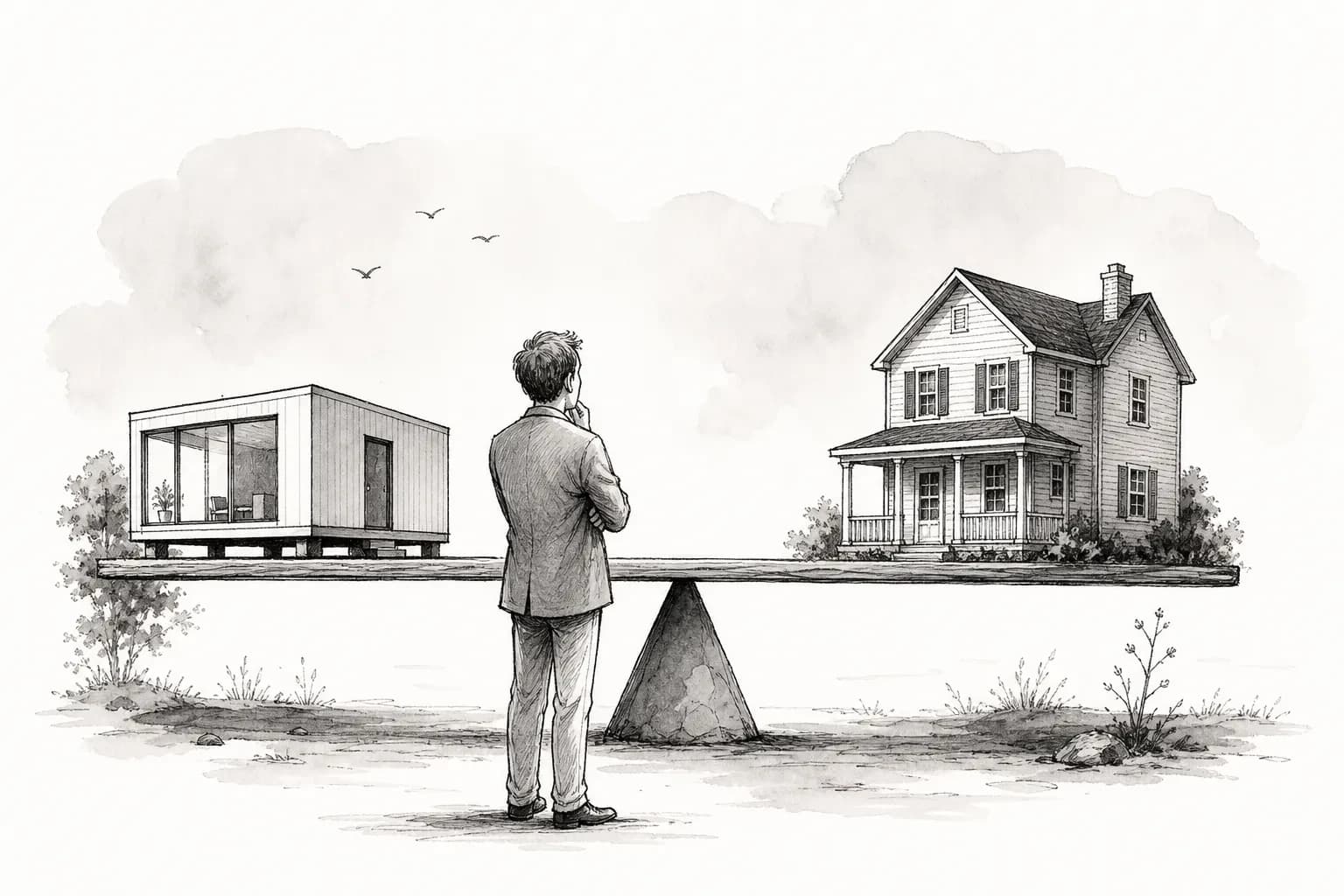
Before comparing interest rates or down payments, you need to understand one classification: whether your home will be treated as real property or personal property. Every manufactured home financing program in the country is structured around this distinction. Getting it wrong means applying to programs you don't qualify for and wasting weeks in the process.
When a manufactured home is permanently affixed to a foundation on land you own, many states allow you to title it as real estate, exactly like a site-built home, though conversion procedures and requirements vary by state. That classification opens the door to FHA, VA, USDA, and conventional mortgage programs with 15- to 30-year terms and competitive rates. When the home sits on leased land or is not permanently affixed, it stays titled as personal property, which pushes you into a different and more limited category of financing.
The good news is that converting a home from personal property to real property is possible in many states. It typically requires surrendering the personal property title, permanently affixing the home to a foundation on owned land, and filing an affidavit of affixture or equivalent document with your county recorder. Once that conversion is recorded, refinancing into a standard manufactured home mortgage becomes an option, often at a noticeably lower rate.
Factory Home Mortgage Options: Loan Programs That Work Like a Traditional Mortgage
These programs treat the home as real estate when it's permanently affixed to owned land and titled accordingly. They offer the best terms available in the factory-built home financing market, and they're worth pursuing first if your situation qualifies.
FHA Title II: The Most Accessible Real-Property Option
FHA Title II is designed for manufactured homes permanently affixed to a foundation on owned land. The down payment is 3.5% with a 580 or higher credit score, or 10% for scores between 500 and 579. Terms run up to 30 years, making this one of the most accessible entry points for buyers who don't have a large down payment saved.
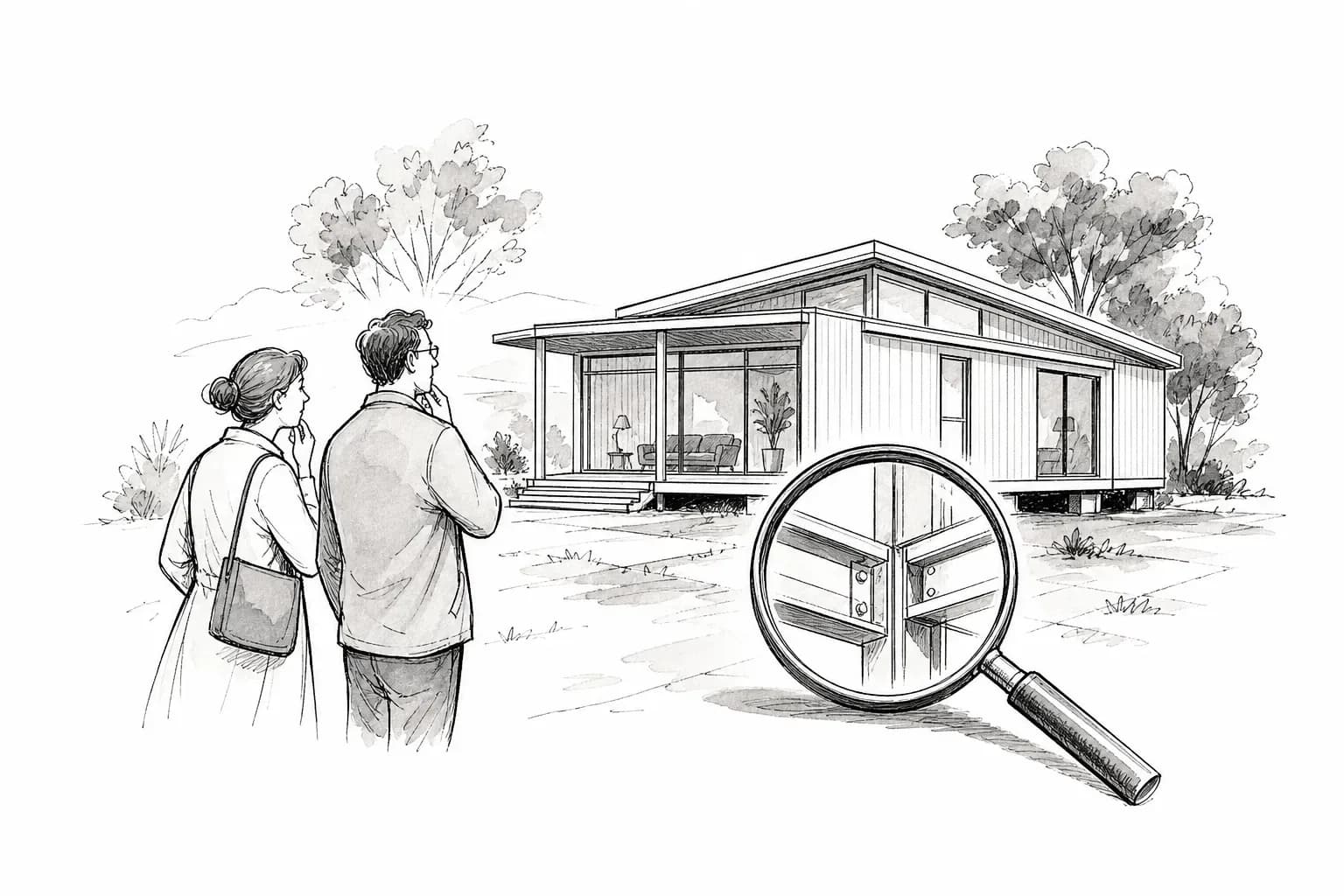
The loan includes both an upfront mortgage insurance premium and an annual MIP, which adds to the overall cost. To qualify, the home must have been built on or after June 15, 1976, the date the HUD Manufactured Home Construction and Safety Standards took effect, measure at least 400 square feet, and sit on a permanent foundation that meets FHA standards. The home must also carry its HUD certification labels and data plate.
How FHA, VA, and USDA Factory Home Mortgages Compare
VA loans are available to eligible veterans and active-duty service members financing a manufactured home as real property. The down payment is 0%, and the main program-specific cost is the VA funding fee, which can be waived for certain borrowers. The home must be HUD-code, built after June 15, 1976, permanently affixed, and titled as real estate. Many lenders add their own overlays on top of VA minimums, so confirming a lender's specific requirements before applying is worth the call.
USDA Single Family Housing Guaranteed loans cover manufactured homes in eligible rural areas with 0% down, but they include an upfront guarantee fee and an annual fee in addition to standard closing costs. Both income limits and geographic eligibility rules apply, so buyers need to verify that their lot's location qualifies before pursuing this route.
Conventional Financing and Fannie Mae MH Advantage
Standard conventional manufactured-home loans are available for homes on owned land titled as real estate, with a typical minimum of 5% down and a 95% LTV cap. Borrower-paid PMI applies above 80% LTV and can be canceled once the loan reaches 80% of original value, unlike FHA's MIP, which has different removal rules.
Fannie Mae's MH Advantage program goes further, allowing 3% down (97% LTV) for manufactured homes that meet specific design standards. Fannie Mae's Selling Guide and MH Advantage retailer criteria still treat most eligible homes as multi-section. Some manufacturer-stickered single-width homes now qualify when they meet the same design rules. Typical specs include a roof pitch of 4/12 or greater (triple-wides may vary), eaves of at least 6 inches or 4 inches plus site-completed gutters of 2 inches or more, approved siding such as fiber cement or engineered wood, and drywall throughout. Lenders check that the finished floor is no more than 30 inches from the bottom of the first-floor joist to exterior grade at the front or entry. The home must meet ENERGY STAR, the 2009 IECC, or an overall U-value of 0.076 or less. Site features, including a driveway, sidewalk, and a covered porch or attached garage, are also required. Qualifying homes carry an MH Advantage sticker applied by the manufacturer, and lenders verify eligibility through appraisal photos during underwriting.
FHA Title I and Chattel Loans: Financing Without Land Ownership
When you don't own the land, or when the home won't be permanently affixed, real-property mortgage programs are off the table. Two programs cover that scenario. Understanding their terms helps set realistic expectations before you shop for a manufactured home loan.
FHA Title I: The Government-Backed Personal Property Option
FHA Title I can finance the home only, the lot only, or a home-and-lot combination, and it works even when the land is leased. That makes it a useful tool for buyers in manufactured home communities where land ownership is not part of the transaction. HUD caps loan-to-value at 95 percent on this program, and adjustable-rate products are not permitted. HUD's Title I regulation requires a minimum cash down payment of at least 5 percent of the purchase price (24 CFR 201.23). The regulation does not publish a credit-score split for that down payment.
Terms are shorter than Title II, and the maximum depends on what you are financing. HUD's limits are 20 years and 32 days for a home-only loan or a single-section home and lot, 25 years and 32 days for a multi-section home and lot, and 15 years and 32 days for a lot-only loan. There is also a six-month minimum term.
Loan limits are lower than Title II. The Title I cap is $237,096 for a multi-section home and lot and $148,909 for a single-section home and lot. Title II limits are county-based and run to $541,287 in most areas and $1,249,125 in high-cost areas in 2026. Rates on Title I are typically higher than real-property mortgage rates, reflecting the added risk to the lender.
Chattel Loans: The Private Market Option
Chattel loans are offered by private lenders and finance the home as personal property without requiring land ownership. They are the most common financing method for homes in land-lease communities, and for many buyers in that situation, they're the only realistic path to ownership.
Terms typically run 10 to 25 years, and interest rates tend to run higher than conventional mortgage rates, though the gap varies by lender and market. CFPB research on manufactured-home lending found chattel APRs well above prime mortgage offers. Treat that gap as directional, not a surveyed 2026 median. Down payments vary by lender and credit profile. The main tradeoff is cost over time: a higher rate on a shorter term means significantly more interest paid compared to a 30-year mortgage, even if the monthly payment looks manageable up front. The upside is speed and fewer site requirements, chattel loans close faster and don't require the same foundation documentation that mortgage programs demand.
Modular vs. Manufactured: How Lenders See the Difference
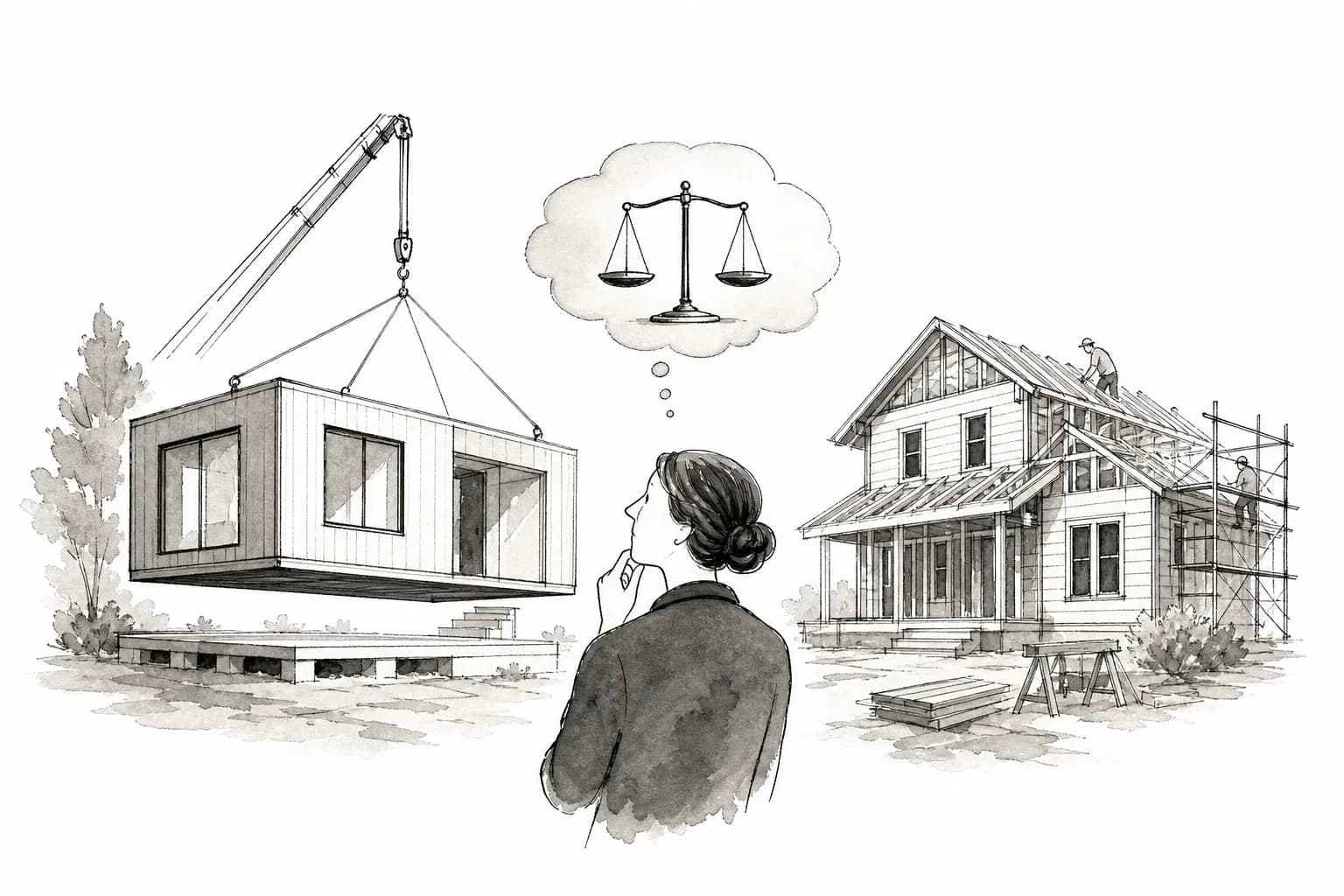
This distinction matters more for financing than most buyers expect. Modular homes and HUD-code manufactured homes are both factory-built, but lenders treat them through entirely different lenses, and the practical impact on your loan options is significant.
Modular homes are built in sections in a factory, then assembled on-site, but they're subject to the same local and state building codes as stick-built homes rather than HUD Code. Because they are titled as real estate from the start and treated identically to site-built homes under most state laws, modular homes qualify for virtually any conventional, FHA, VA, or USDA product without the additional manufactured-home overlays. There are no HUD Code date restrictions, no certification label requirements, and broader lender participation across the board.
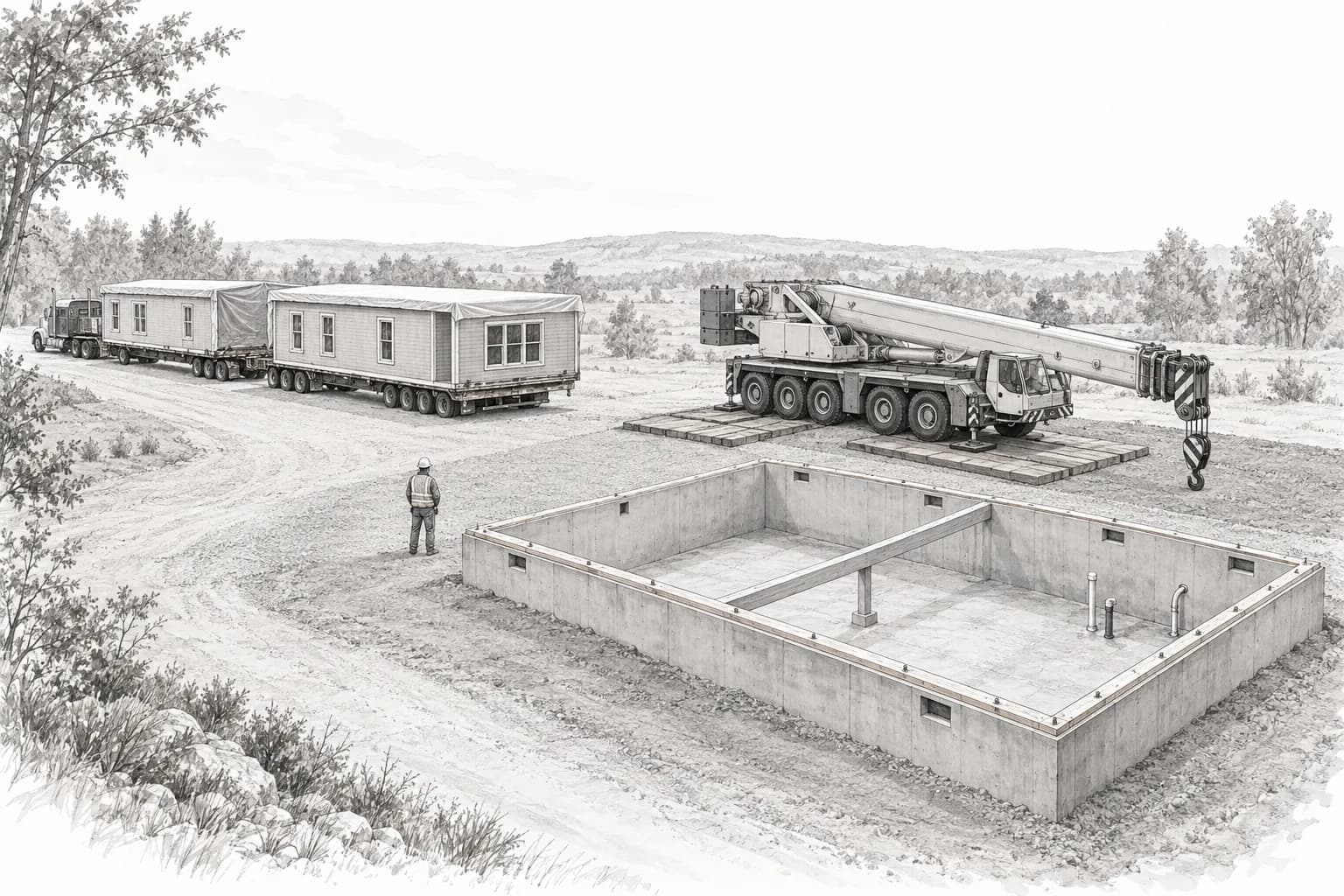
HUD-code manufactured homes are the homes that require the specific loan programs covered in this article. Lenders verify the HUD date, foundation type, and land title status before approving any manufactured home loan. Homes built before June 15, 1976 are generally not eligible for FHA, VA, USDA, or most conventional programs, as mainstream mortgage products require compliance with the HUD code that took effect on that date. For buyers building a new HUD-code home on owned land, construction-to-permanent loans are an option worth exploring. These loans cover the construction and installation phase, then convert to a permanent mortgage once the home is set and affixed, combining two closings into one and crediting any existing land equity toward the down payment requirement.
What Lenders Actually Check Before Approving You
Beyond the loan type, lenders run through a checklist for both the borrower and the property. Knowing what they look for lets you prepare documentation and address potential issues before they slow down your application.
On the borrower side, credit score minimums vary by program. FHA products allow as low as 500 with a larger down payment, while conventional MH Advantage and standard conventional loans typically require 620 or higher in practice. Debt-to-income ratios, employment history, and income documentation follow the same standards as any mortgage application. For VA loans, you'll also need a Certificate of Eligibility confirming your service status.
On the property side, lenders verify a specific list of conditions before approval:
- The home must be on a permanent foundation built to HUD or FHA standards, depending on the loan program.
- It must measure at least 400 square feet and have been built on or after June 15, 1976 for government-backed financing, note that exact size minimums can vary by program and loan type.
- The HUD certification labels and data plate must be intact and accessible inside the home.
- The home must be titled as real property in county records for any mortgage-style financing to apply.
- For MH Advantage specifically, lenders verify the program sticker, driveway, sidewalk, and other design features through appraisal photos.
Any one of these conditions failing can stall or kill an approval, which is why confirming property eligibility early in the process matters as much as confirming borrower eligibility.
How to Find the Right Lender and Narrow Down Your Builder
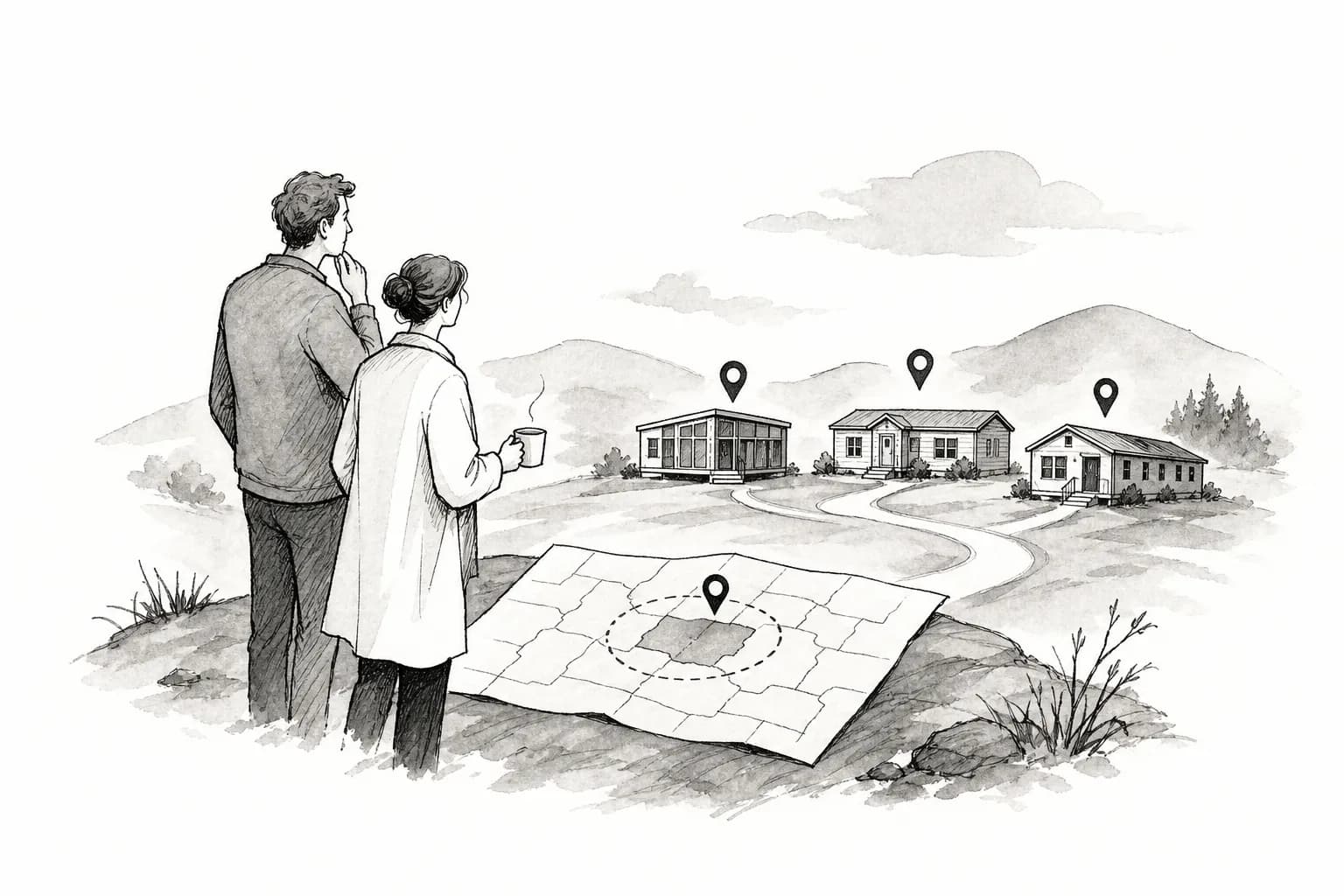
Not every lender finances factory-built homes, and the ones that do often specialize in a narrow set of programs. Identifying your loan type first, then finding lenders who participate in that program, is a faster path than calling lenders at random and hoping they work with manufactured homes.
Fannie Mae-approved lenders are the best starting point for conventional or MH Advantage financing. Ask each lender directly whether they originate manufactured home loans and which specific programs they participate in. Title I is less widely originated by standard mortgage lenders and is often handled by specialized lenders, so that distinction matters if leased land is part of your situation. State housing finance agencies run affordable housing programs in many states that include manufactured homes, with lists of participating local lenders published on their websites. Credit unions sometimes make portfolio loans on manufactured homes, especially for members buying on owned land, and calling locally is often worth a few minutes of your time.
The loan type you qualify for also determines the home type you can buy. FHA Title II, VA, and conventional programs require homes that meet specific HUD Code or MH Advantage standards, which means you need a builder who produces those exact products. Getting clear on your financing before you shop for a builder saves you from falling in love with a model that won't pass your lender's property checklist.
On Prefably, the directory separates builders by home type, including modular, manufactured, HUD-code, and ADU specialists, organized by state. Once you know whether your loan requires a modular build or a HUD-code manufactured home, you can go straight to the builders whose products actually qualify. Browse builder profiles, read the ratings, and contact them directly without filling out lead forms or fielding sales calls from companies you didn't choose.
Your Next Step Starts With One Question
The factory home mortgage process is more straightforward than it looks once you understand the real property versus personal property divide. Buyers who own the land and plan to permanently affix their home can access FHA Title II, VA, USDA, or conventional programs with competitive rates and long terms. Buyers financing a home in a land-lease community have FHA Title I and chattel loans available, with the tradeoff of higher rates and shorter terms. Modular homes qualify like site-built homes and open the widest set of conventional options, while HUD-code manufactured homes need the specific programs covered here.
Start by confirming your land ownership status and whether you plan to permanently affix the home. That single answer narrows your loan options immediately. Then match your situation to the right program, find a participating lender who actively originates that product, and confirm the home you want meets the lender's property requirements before you sign anything with a builder. Confirming land ownership and foundation status is the first step to qualifying for a factory home mortgage.
When you're ready to find builders who produce the right type of home for your loan, Prefably is a practical place to start. Browse by state, filter by home type, and reach out to builders directly at prefably.com, no middlemen, no resold inquiries, just direct access to the builders who can deliver what your financing requires.
Sources
Prefably does not provide lending, legal, appraisal, or tax advice, and is not a mortgage broker or lender. Loan programs, limits, rates, and eligibility rules change and vary by lender, county, and borrower. Confirm current terms with a HUD-approved or program-participating lender before relying on any figure on this page.
- HUD: Financing Manufactured Homes (Title I)
- eCFR: 24 CFR 201.23, Title I borrower initial payment
- HUD: FHA mortgage limits lookup
- VA: purchase loans, including a manufactured home or lot
- USDA: Single Family Housing Guaranteed Loan Program
- Fannie Mae: MH Advantage
- Fannie Mae Selling Guide B2-3-02: factory-built housing
- Fannie Mae: manufactured housing product matrix
- CFPB: Manufactured Housing Finance, New Insights from HMDA Data (2021)
FAQ
- What determines which factory home mortgage I can get?
- Whether the home is classified as real property or personal property. Permanently affixed homes on owned land that are titled as real estate can access FHA Title II, VA, USDA, and conventional programs. Homes on leased land or not permanently affixed usually need FHA Title I or a chattel loan.
- What is the difference between FHA Title I and Title II for manufactured homes?
- Title II is for manufactured homes permanently affixed on owned land and titled as real property, with terms up to 30 years and a 3.5% down payment at a 580+ credit score. Title I can finance the home, the lot, or both, including on leased land, with shorter terms and typically higher rates.
- Can modular homes use the same mortgages as site-built houses?
- Usually yes. Modular homes follow state and local building codes and are titled as real estate from the start, so they typically qualify for conventional, FHA, VA, and USDA products without the extra manufactured-home overlays that apply to HUD-code homes.
- What is Fannie Mae MH Advantage?
- MH Advantage is a conventional program that can allow 3% down for manufactured homes that meet specific design standards, typically multi-section construction, plus roof pitch, eaves, approved exterior materials, drywall throughout, and site features such as a driveway and covered porch or garage. Qualifying homes carry an MH Advantage sticker from the manufacturer.
- What is a chattel loan for a manufactured home?
- A chattel loan finances the home as personal property without requiring land ownership. Terms often run 10 to 25 years with rates typically higher than conventional mortgages. It is the most common path for homes in land-lease communities.
- Does Prefably broker mortgages or sell buyer leads?
- No. Prefably is an independent directory. Once you know which loan path and home type you need, you can browse builders by state and contact companies directly.
Keep reading