Buyer guide
How to Find and Vet a Prefab Home Builder Near You
Finding a prefab home builder near you is the easy part. Trusting them with your land and your money is where most buyers stumble.

Dmitry Bilchenko
Co-founder, Prefably
- Published
- Reading time
- 10 min read
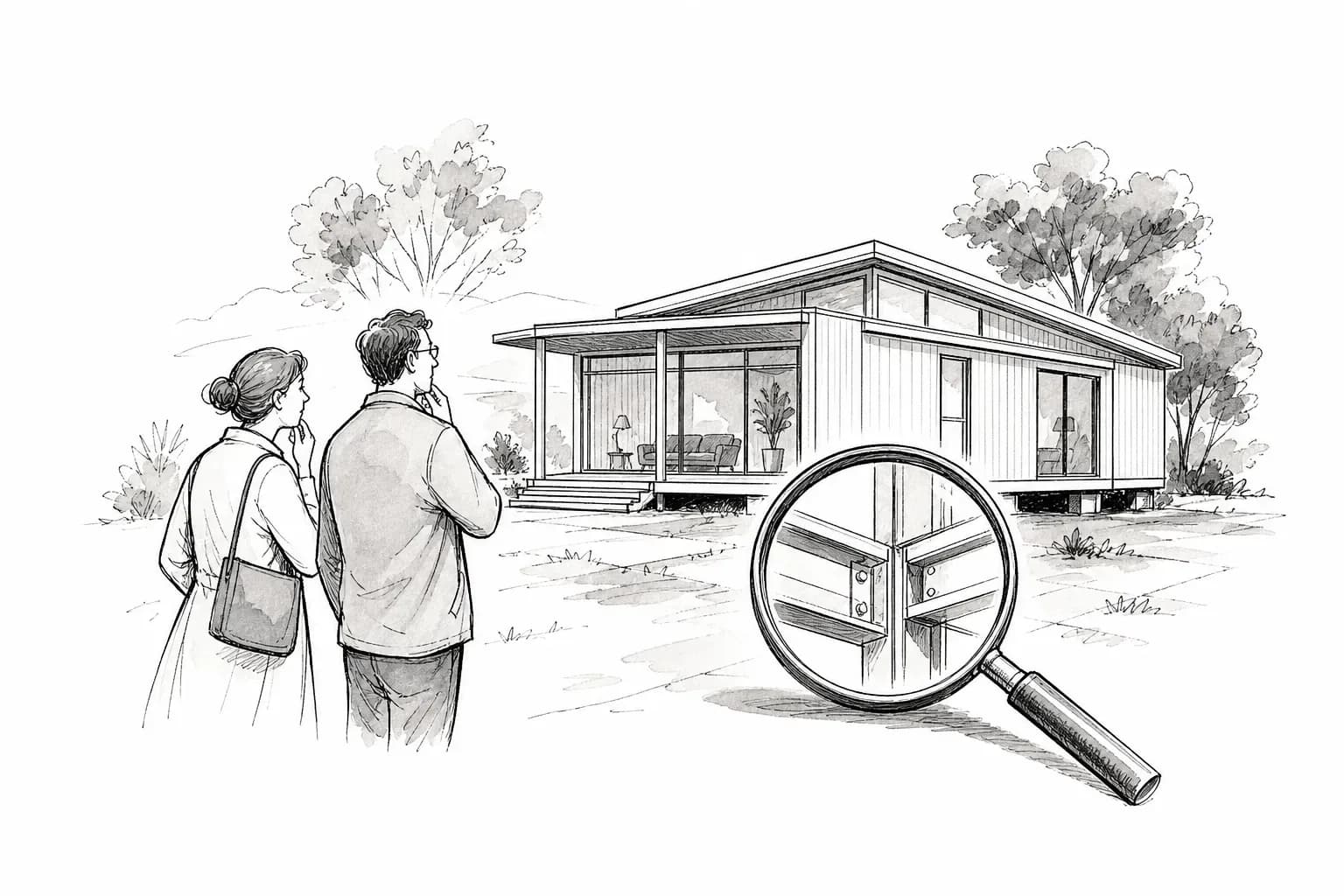
Learning how to find a vetted prefab home builder in your area is one of the most important steps you can take before signing a build contract. Finding a prefab home builder near you is the easy part. Finding one you can actually trust with your land, your money, and a major financial decision is where most buyers stumble. This guide walks you through exactly how to verify local prefab and modular home builders, what documents to request, what questions to ask references, and which contract terms should send you running. By the end, you will have a clear process to confidently shortlist two or three builders ready for a formal quote.
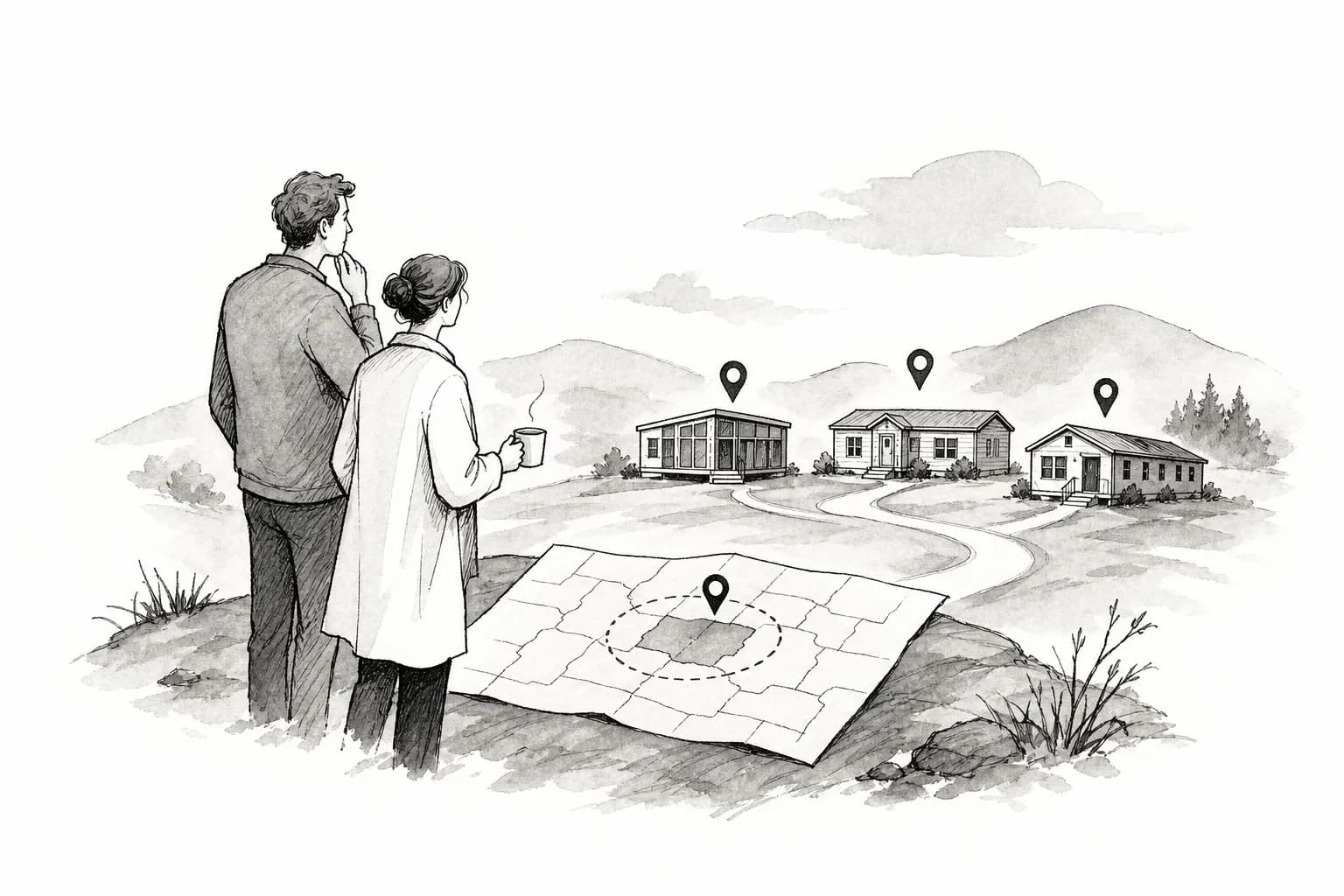
Start with a list you control
We built Prefably as a state-indexed directory. You browse builder profiles, compare ratings, and contact builders directly, and we do not resell your inquiry. You decide who to reach out to and when.
The state-by-state structure exists because prefab construction is hyperlocal. Delivery radius, local building codes, and set crew availability all depend on where your lot sits, not on which brand name you recognize.
Building your initial longlist
Start by building a longlist, filtering by state and delivery zone. Six to eight builders gives you enough variety to compare without becoming overwhelming. Then visit each builder's website and profile to look for real project photos, completed builds, and clearly stated service areas. A builder with a polished website but no verifiable completed projects in your area is worth less than one with modest marketing and a documented track record of delivering homes to your region.
Confirm the license and the approvals, then move on
Verification is quick once you know what to ask for. Get the builder's legal entity name and license number in writing. Look up that exact entity on your state's contractor licensing board and confirm the license is current, not expired or suspended, and that it covers the correct work classification. Then request a certificate of insurance and check that the entity name on it matches the license record and the contract. Any mismatch between the contract name and the licensed entity name is a red flag on its own, regardless of how convincing the sales pitch sounds.
Each state runs its own portal, so search for "[your state] contractor license lookup" to find it. California's CSLB license check is one example of what these tools look like.
One distinction decides where you look next. Modular homes are built to state and local building codes, so many states run an industrialized housing program that approves manufacturers, plans and third-party inspection agencies. Pennsylvania, for example, publishes a list of approved manufacturers with the structures each is approved to build and the agencies that inspect them, and Texas runs a similar program through the Department of Licensing and Regulation. Search "[your state] industrialized housing program" to find yours. Manufactured homes are different: they are built to a federal standard administered by HUD, so there is no state approval list to check. If you look for a HUD-code manufacturer on a state modular list, you will not find one, and that absence tells you nothing about the builder.
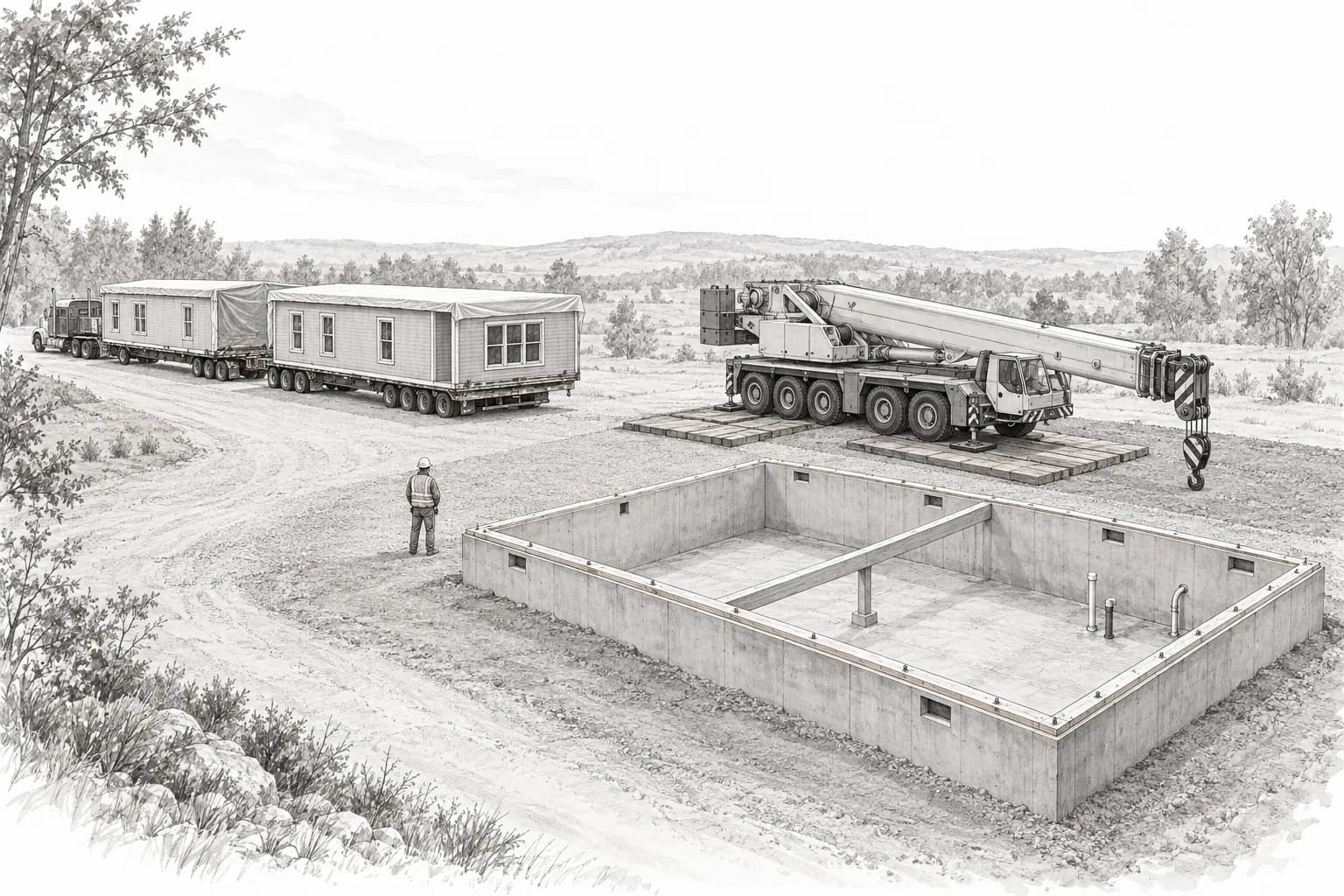
If you also need to confirm a builder can physically reach your lot, see How to Find Modular Home Builders Who Deliver to Your County for delivery-zone logistics: road access, crane clearance, permits, and set-crew availability by county. Use it alongside this page.
What warranty and factory documents a reputable builder should hand over
The 1-2-10 warranty pattern explained
Most new-home warranties in the United States follow a three-tier pattern, often called 1-2-10. The first year covers workmanship: fit, finish, materials, and installation quality. The second year covers systems, specifically electrical wiring, plumbing, HVAC, and mechanical components. Years three through ten cover major structural elements such as framing, beams, load-bearing walls, columns, and roof structure. Manufacturer warranties for factory-installed products like windows, roofing, and appliances are separate and come directly from the product maker, not the builder.
This is an industry pattern, not a legal requirement, and warranty rules vary by state, so read what you are actually offered rather than assuming the standard applies. Any builder who cannot explain the structure clearly, or who offers only vague reassurances about "covering everything," deserves serious scrutiny before you go further.
Factory quality documents to request before you commit
Before signing anything, ask for the factory final inspection or quality-assurance report showing the modules were checked before shipment. Request stamped engineering drawings and structural calculations, building-code compliance certificates, and wind and snow load specifications for your specific site. Energy-efficiency documentation is also worth requesting if your region requires it. A reputable builder should have these documents readily available on request. If the response is a stall, a claim that documents are unavailable, or a pivot to marketing materials, treat that as a serious warning and move on to the next builder on your list.
Factory tour tips and reference call questions that reveal the truth
What to look for on a factory tour
Request a tour of the manufacturing facility before you sign a contract. When you walk the production floor, pay attention to organization and cleanliness, how workers handle materials, whether modules are labeled and tracked through production stages, and how the team responds to your questions. A well-run factory feels structured and systematic, not reactive and chaotic. Look for visible quality checkpoints where work is inspected before a module moves to the next stage. If a tour is refused or explained away as unavailable, that tells you something important about how the company operates and how transparent it plans to be with you as a client. Builders who welcome scrutiny are the ones worth shortlisting.
How to run a reference call that actually gives you useful answers
Most buyers ask references "how was your experience?" and get a rehearsed, positive answer that tells them nothing. Use specific questions instead. Did the final price match the original quote? Were there change orders, and how were they handled when they came up? Did the builder communicate proactively when problems arose, or did you have to chase them for updates? Would you hire this builder again on a second project? Ask to speak with clients from completed projects in the past 12 to 24 months, not just the testimonials the builder selected for their own website. End every reference call by asking, "What do you wish you had known before signing?" Those answers are often the most useful thing you will hear.
Contract red flags that should make you walk away
Payment structure and pricing red flags
A large upfront deposit demanded before fabrication begins is one of the clearest warning signs in the industry. Reputable builders use milestone-based payment schedules tied to specific project stages: deposit at signing, payment at fabrication start, payment at delivery, and a final amount at completion. Also be cautious of unusually low bids compared to other quotes you receive. Low bids frequently signal hidden site costs, specification substitutions, or price escalation once the contract is signed and your options are limited. Any quote that lacks a line-item breakdown of what is and is not included in the factory package is not ready to be taken seriously.
Vague contracts, missing documents, and pressure tactics
A prefab home purchase contract should spell out scope of work, allowances, the change-order process, warranty terms, timeline milestones, and what happens if either party needs to exit the agreement. If a builder cannot provide those terms in writing before asking for a deposit, that is a non-starter. Pay equal attention to how the builder conducts the sales process itself. "Sign today" offers, rushed deadlines, and reluctance to let you review documents at your own pace are consistent red flags across the industry. A builder who pressures you before the contract is signed will not suddenly become easy to work with once your money is committed.
How to narrow your list to 2-3 builders and request formal quotes
Comparing quotes the right way
Once license checks, warranty reviews, a factory tour, and reference calls are complete, you should be down to two or three modular builders worth requesting quotes from. Request quotes in writing and ask each builder to price the same scope: same square footage, same specification level, and the same site-work inclusions. That is the only way to compare numbers honestly. A quote that arrives without a detailed line-item breakdown is not ready to be evaluated, and asking for more detail at this stage will quickly reveal how organized and transparent a builder actually is.
Making direct contact without the pressure
Because we connect buyers directly with builders, you can reach out to your shortlisted modular home builders at your own pace. Review profiles again, revisit ratings, and make contact when you are ready. That low-pressure environment is exactly what makes a calm, well-researched buying decision possible.
Ready to start your search the right way
The process breaks down into five clear steps: build a longlist you control, verify the license and the right approval program for the type of home you are buying, request the warranty and factory documents before any money changes hands, run a factory tour and real reference calls, and review every contract term before signing. Follow these steps, and you will know how to find a vetted prefab home builder in your area, and arrive at the quote stage with two or three local builders you actually have reason to trust.
Prefably is built specifically for buyers doing exactly this research. Browse builder profiles by state, filter by delivery zone, and reach out to the builders that match your project directly. Start building your shortlist on Prefably and approach the quote stage with confidence rather than pressure.
Sources
This article is general guidance on construction, contracts and licensing, not legal or financial advice. Requirements differ by state and by municipality, and programs change, so confirm the details with the agencies below and with a qualified professional before you sign anything.
- U.S. Department of Housing and Urban Development: Manufactured Housing Programs
- Pennsylvania DCED: Website List of Manufacturers
- Texas Department of Licensing and Regulation: Industrialized Housing and Buildings
- California Contractors State License Board: Check a License
- Prefably: How to Find Modular Home Builders Who Deliver to Your County
FAQ
- How much deposit is normal on a prefab home?
- Reputable builders tie payments to milestones: a deposit at signing, then payments at fabrication start, delivery and completion. Be wary of any builder asking for a large share of the total before fabrication begins, and ask what the deposit secures and whether it is refundable.
- Can I tour the factory before I sign?
- Yes, and you should ask. Most established manufacturers are used to buyer tours. A refusal, or a tour that is always "not possible right now," tells you how transparent the company is likely to be later.
- What is the difference between a builder warranty and a manufacturer warranty?
- The builder warranty covers workmanship, systems and structure on the home itself. Manufacturer warranties cover specific installed products such as windows, roofing and appliances, and are honored by those product makers rather than your builder.
- How many builders should I get quotes from?
- Two or three, after your verification work is done. Ask each to price the same scope so the numbers are comparable, and treat a quote without a line-item breakdown as incomplete.
- What if my builder is not on my state's approved manufacturer list?
- Check which type of home you are buying first. Manufactured homes are built to the federal HUD standard, so they do not appear on state modular lists. If you are buying a modular home and the manufacturer is missing from your state's list, ask the builder which manufacturer and inspection agency they use, and confirm that with the state agency before you pay anything.
- Who inspects a modular home, the state or my town?
- Both, at different stages. Modules are inspected in the factory by an approved third-party agency, and your local building department inspects the foundation, the set and everything connected on site. Ask your builder who handles each stage, and get both sets of paperwork.
Keep reading