Buyer guide
How to Find a Tiny Home Builder That Ships to Your State
Tiny home builders USA: how to find prefab tiny home companies and small modular home builders that actually ship to your state, plus delivery cost, zoning, and setup questions.

Dmitry Bilchenko
Co-founder, Prefably
- Published
- Reading time
- 12 min read
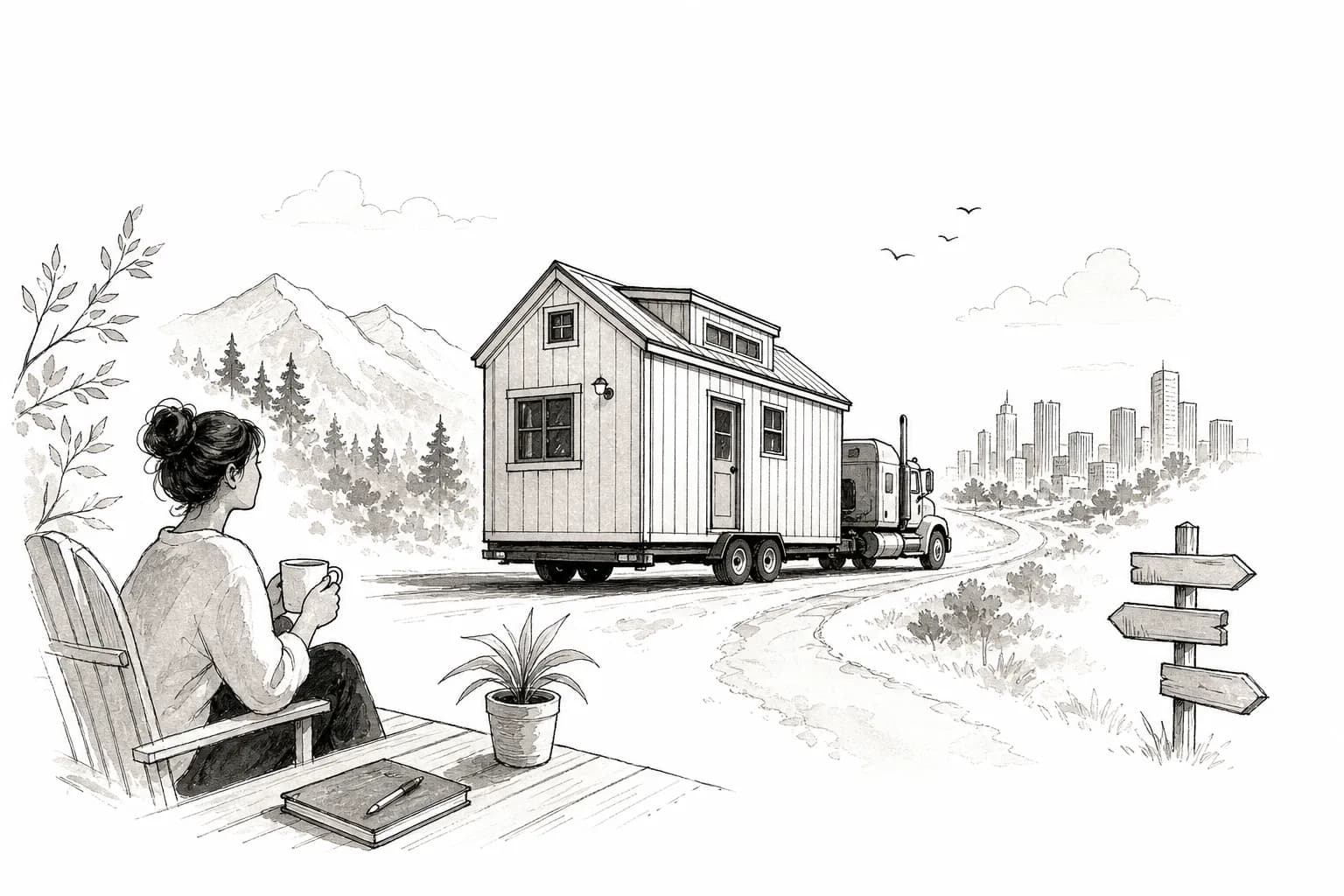
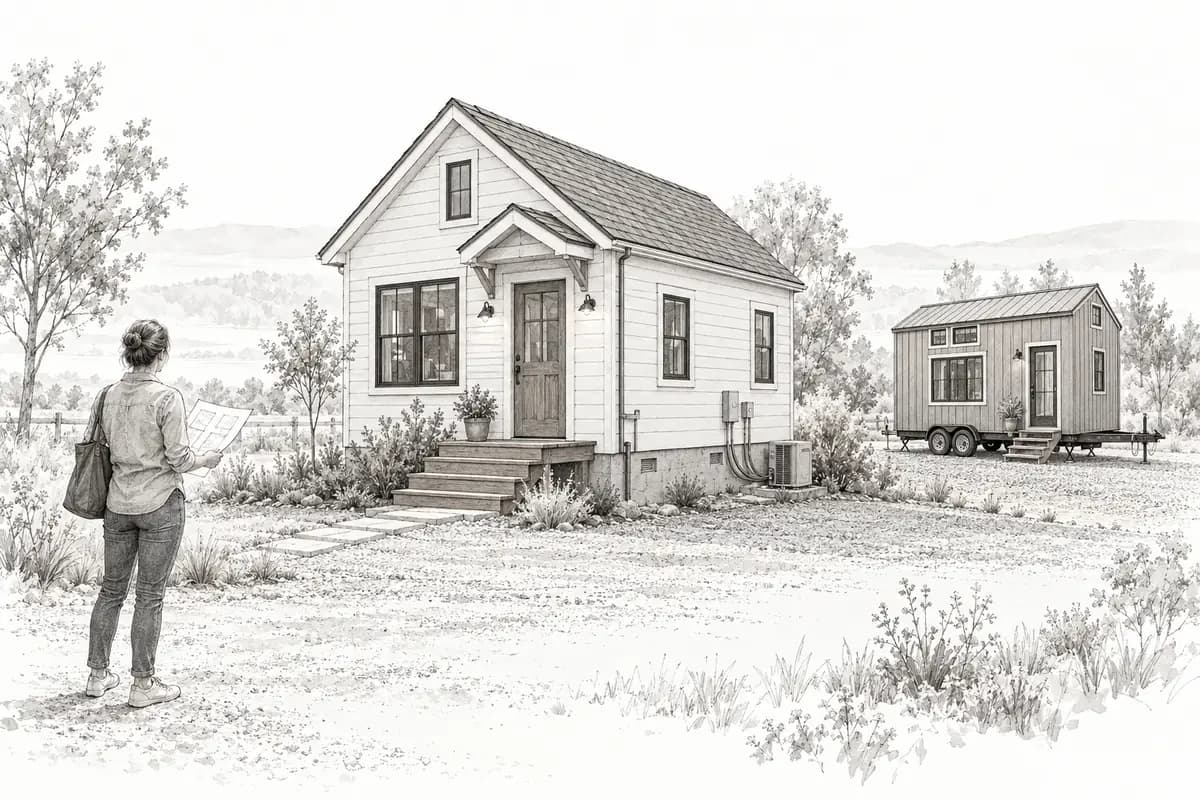
If you're asking "how do I find a tiny home builder that ships to my state," you're already ahead of most buyers, because the real challenge isn't finding builders, it's finding ones that actually cover your area. You find a tiny home you love, fill out the contact form, and wait. A few days later, the reply comes back: "Sorry, we don't deliver to your area." It's a frequent frustration buyers report, and it happens more often than builder websites suggest. That "nationwide delivery" banner on the homepage doesn't always tell the full story, because real delivery zones are shaped by transport licensing, crew availability, and state-by-state compliance hurdles that quietly shrink a builder's practical radius.
The good news is that finding a builder who genuinely serves your state isn't a matter of luck. It's a methodical process once you know what to look for. Prefably is a state-indexed tiny home builder directory, organized to let you browse by delivery area, compare builder profiles, and contact companies directly without your inquiry being resold to a dozen builders at once. This guide walks you through the full picture: delivery zones, state rules, real transport costs, how to find tiny home builders who ship to your state, and the specific questions you need to ask before anyone signs anything.
Why tiny home delivery zones aren't as flexible as builders make them sound
Most tiny home manufacturers set their practical delivery radius at somewhere between 50 and 300 miles from their factory. That's the zone where transport is straightforward, permit stacking is manageable, and setup crews are easy to coordinate. When a builder in Tennessee ships to Oregon, they're facing multi-state permit applications, route approvals, possible escort vehicle requirements, and logistics that can stretch lead times by weeks. It's technically possible, but it's operationally heavy, and long-haul moves almost always cost significantly more than the marketing page implies.
Builders commonly concentrate service within roughly 50 to 100 miles of their factory, sometimes up to 300 miles, even when the website claims coast-to-coast reach. Some builders do manage true nationwide delivery by working with third-party transport networks, but "nationwide" still requires verifying whether they've actually handled routes through your specific state, county, and road access conditions.
Setup Crew Availability Is the Other Half of the Equation
Delivery and installation are two separate services, and many buyers don't realize that until after a deposit is paid. A builder might own the transport vehicle but subcontract the on-site setup, which means their delivery coverage area and their setup coverage area can be completely different maps. Builders like Wolf Industries, Tiny Homes Global, and B&B Tiny Houses include full on-site installation (leveling, skirting, utility hookups) as part of their service. Others like Goshen Tiny Homes and Lifespark Construction explicitly exclude setup from their delivery pricing and require the buyer to arrange it separately.
Before you evaluate any builder, ask both questions: who handles transport, and who handles on-site setup? Vague answers on either point are worth taking seriously early in the conversation.
How your state's rules determine where a tiny home can legally land
Getting the home to your property is only half the challenge. Whether it can be legally occupied once it arrives depends on how your state and county classify the unit and zone the land. This is where a lot of buyers get blindsided, especially if they've been focused entirely on the builder's delivery capability.
The RV vs. foundation question that decides everything
If your tiny home is built on wheels (called a THOW, or tiny house on wheels), most states treat it as a recreational vehicle rather than a permanent dwelling. That classification limits where it can legally sit: RV parks, campgrounds, agricultural land with permissive ordinances, or specific counties that have carved out exceptions. Idaho, for example, treats wheel-mounted units as RVs subject to DMV registration, not residential building permits. Colorado restricts houses on wheels in some counties, even in the same state where Boulder and Denver have adopted more progressive tiny home standards.
If you want your tiny home to function as a primary residence on a private lot, a foundation-placed unit almost always has a cleaner path through permitting than a THOW. The classification choice you make at purchase affects siting, financing, and resale value for as long as you own the home, and it is worth understanding how that certification decides where a small prefab home can legally sit before you sign anything.
Zoning, Appendix Q, and why local rules trump state law
Several states have adopted Appendix Q of the International Residential Code, which relaxes certain building requirements (loft dimensions, stair angles, ceiling heights) specifically for homes under 400 square feet. California, Washington, Oregon, Florida, Georgia, Minnesota, and more than a dozen others have done this at the state level, though the specific adoption list is worth confirming with your state's building code office, as updates occur regularly. But Appendix Q adoption doesn't override local zoning. A county can still enforce minimum lot sizes, setback requirements, and height limits that make placing a delivered tiny home difficult or impossible on a specific parcel.
Georgia, Arizona, and New York all leave siting decisions to the local level, which means a statewide "tiny homes are allowed" headline can be misleading for your specific county. Before scheduling any delivery, call your county planning office directly and ask whether a foundation-placed tiny home or a THOW can be sited on your lot under the current zoning designation.
When a tiny home works as an ADU
For buyers who already own land with a primary residence, placing a tiny home as an accessory dwelling unit can open a more straightforward permitting path. ADU-friendly states like California and Washington have streamlined this process significantly, and a well-designed tiny home placed as a backyard ADU can clear permitting faster than many buyers expect. The catch is that the unit's floor plan must meet local ADU square footage and setback requirements, which not every builder's standard models satisfy. Confirm your county's ADU rules before selecting a floor plan, not after.
What it actually costs to ship a tiny home across state lines
Transport costs are one of the most consistently underestimated line items in a tiny home budget. Builders often quote the home price with delivery listed as a separate add-on, and that add-on can be substantial once all the components are included.
Base towing runs roughly $1 to $2 per mile for standard hauls and $2.50 to $4 per mile for flatbed transport. On a 500-mile move, that's $500 to $2,000 before anything else is added. Permits for oversized loads, homes wider than roughly 8.5 feet or taller than 13.5 feet, add $50 to $600 per state crossed, and those permits are required separately for each state on the route. If your home triggers escort vehicle requirements, add $150 to $300 per escort vehicle or $1.50 to $3.50 per mile. A realistic all-in planning budget looks like this:
- 200-mile move: $3,000 to $8,000 including transport, permits, and basic site setup
- 500-mile move: $4,000 to $12,000 with permits, escorts, and destination prep
- Cross-country move: $8,000 to $25,000 or more depending on home size and state complexity
Site prep at the destination adds another layer. Leveling, blocking, skirting, and utility connections typically run $1,500 to $6,000 depending on site conditions and what the builder includes in their setup package. Short-term transport insurance adds $150 to $600 more. Always request a fully itemized quote that breaks out transport, per-state permits, escort fees, setup labor, and utility hookup as separate line items. If a builder gives you a single bundled number without a breakdown, ask again.
How do I find a tiny home builder that ships to my state?
The problem with most discovery methods is that they're not built around delivery geography. Search results for "tiny home builders" are typically ordered by SEO factors, not service radius. Some of the platforms that rank prominently in those results operate as lead marketplaces, you fill out a form, and your contact information can end up with multiple builders simultaneously, some of whom may not actually cover your area.
Prefably works differently. It's a lead-free directory organized state by state, so you can browse builder profiles filtered by delivery zone and home type (including tiny homes) without your contact information being resold. A buyer in New Mexico can filter directly to builders whose service radius covers that state, rather than sorting through results dominated by East Coast manufacturers. Prefably's builder profiles include delivery coverage details, contact information, and ratings so you can compare options before reaching out to anyone.
Nationwide builders as a practical starting shortlist
For buyers in remote states or rural counties where regional builders are limited, starting with companies that explicitly cover continental U.S. delivery is a reasonable shortcut. Tumbleweed Houses, Clever Tiny Homes, Liberty Tiny Homes, Dragon Tiny Homes, Garland's Tiny Homes, B&B Tiny Houses, and Simplify Further are among the builders that advertise nationwide tiny home delivery. That said, "nationwide" still requires you to verify route logistics, setup coverage, and whether the builder has actually completed deliveries in your state. Prefably's builder profiles include operational detail that lets you make that comparison before committing to a conversation.
The Questions That Separate Serious Builders from Vague Sales Pitches
Knowing how to find a tiny home builder that ships to your state is step one. Confirming that they can actually handle your specific location, lot, and timeline is step two. These questions cut through vague sales answers and surface the information you need to make a real comparison.
Questions about delivery scope and logistics
- Does your delivery price include on-site setup, or is that quoted separately?
- What is your maximum delivery radius, and how does pricing change beyond 300 miles?
- Do you handle transport permits and escort vehicles, or does the buyer arrange those?
- Have you delivered to my specific county or state before?
Questions about compliance, site prep, and timeline
- Is your unit built to meet my state's residential building code, or is it classified as a THOW or RV?
- What site prep does my lot need before delivery day (grading, foundation type, utility rough-ins)?
- What is the realistic lead time from deposit to delivery in my area?
- If permitting on my end causes a delay, what is your policy on holding delivery?
Builders with real delivery experience in your region will answer these questions directly. They've done it before, they know the permit requirements, and they can give you specific timelines. If a builder deflects these questions or pushes you toward signing before addressing logistics, that's a signal to keep looking. The right builder will want to know your county and lot conditions before quoting delivery, not after.
Start with the right list, not a random search
Finding a tiny home builder that ships to your state means checking actual delivery zones, understanding your state's classification and zoning rules, budgeting honestly for transport costs, and asking the right questions before any paperwork gets involved. None of these steps are complicated once you know the framework. The hardest part for most buyers is building a starting list of builders whose service radius genuinely covers their land, which is exactly the problem Prefably is built to solve.
Browse by state, filter by delivery area and home type, and contact builders directly without a lead-selling platform sitting between you and the conversation. Whether you're placing a tiny home on rural land in Texas, adding one as an ADU in Washington, or exploring options in a state with stricter THOW rules, the right builder exists and is worth the extra step to find. The key is knowing how to find them before you fall for a website that doesn't actually serve your county. Start your search on Prefably and put geography first.
FAQ
- How do I find a tiny home builder that ships to my state?
- Start with a state-indexed directory like Prefably so you can filter by delivery area and home type, then verify each builder’s real radius, setup coverage, and whether they have completed deliveries in your county—not just a “nationwide” homepage claim.
- How much does it cost to ship a tiny home?
- Plan roughly $3,000–$8,000 for a 200-mile move, $4,000–$12,000 for about 500 miles, and $8,000–$25,000+ for cross-country moves, plus site prep. Always request an itemized quote covering transport, per-state permits, escorts, setup, and utility hookups.
- Can a tiny house on wheels be a primary residence?
- Often not easily. Many states treat THOWs as RVs with limited legal siting. A foundation-placed unit usually has a cleaner path for primary residence use, financing, and resale—confirm with your county planning office before you buy.
- Does “nationwide delivery” mean a builder serves my county?
- Not automatically. Nationwide marketing still requires verifying route logistics, escort and permit history, setup crew coverage, and prior deliveries in your specific state and county.
- What are the best prefab tiny home builders in the United States?
- There is no honest national ranking that fits every lot. Compare tiny home builders USA listings by real delivery radius, setup coverage, THOW vs foundation-placed labeling, prior sets in your state, and written transport quotes. Prefably organizes companies by state so you can shortlist three to five, then verify shipping, not homepage “nationwide” claims.
- Are small modular home builders the same as tiny-home-on-wheels companies?
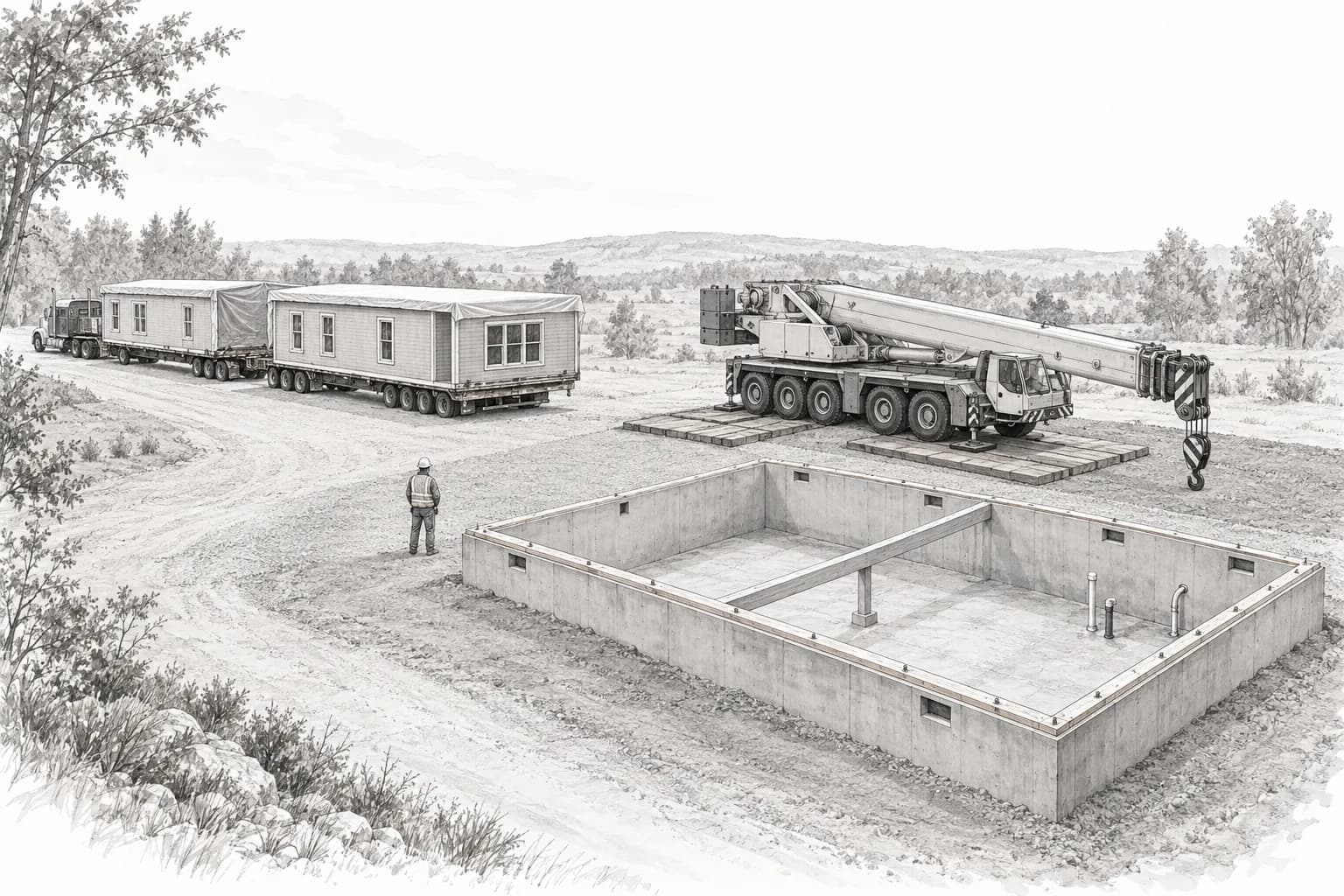
- Often no. Small modular home builders typically ship local-code modules onto a permanent foundation. Tiny-home-on-wheels companies usually follow RV or THOW rules with different zoning, titling, and lending. Ask which path the quote assumes before you compare prices.
Keep reading