Buyer guide
Prefab vs Modular Homes: What’s the Difference?
Is a modular home the same as a prefab home? Prefab vs modular vs manufactured vs stick-built, HUD code differences, quality vs traditional builds, and a prefab builder checklist.

Dmitry Bilchenko
Co-founder, Prefably
- Published
- Reading time
- 9 min read
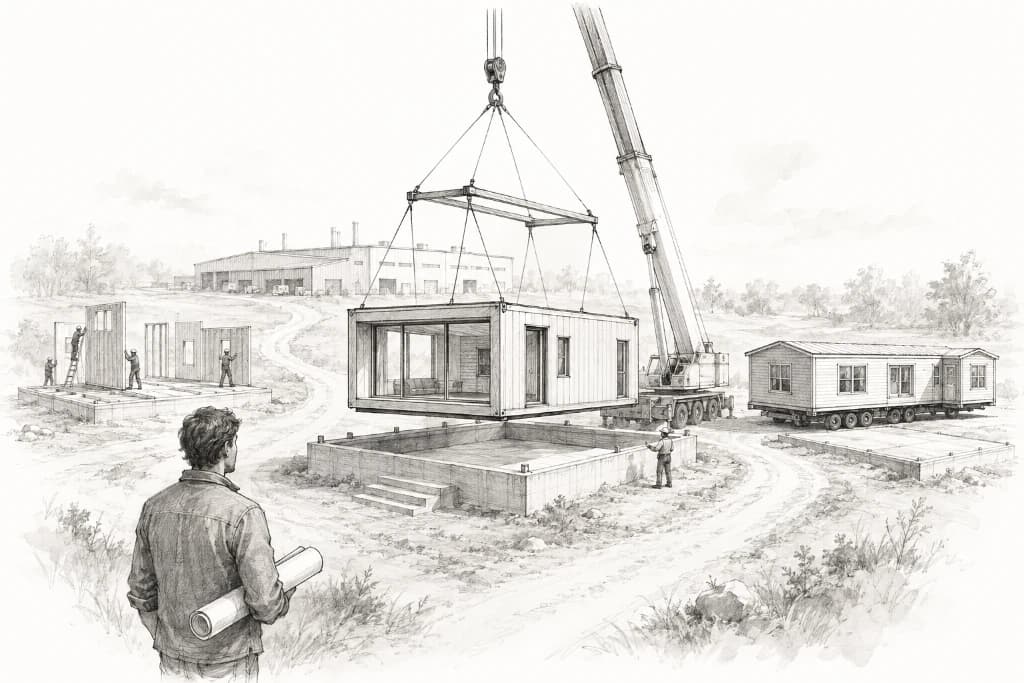
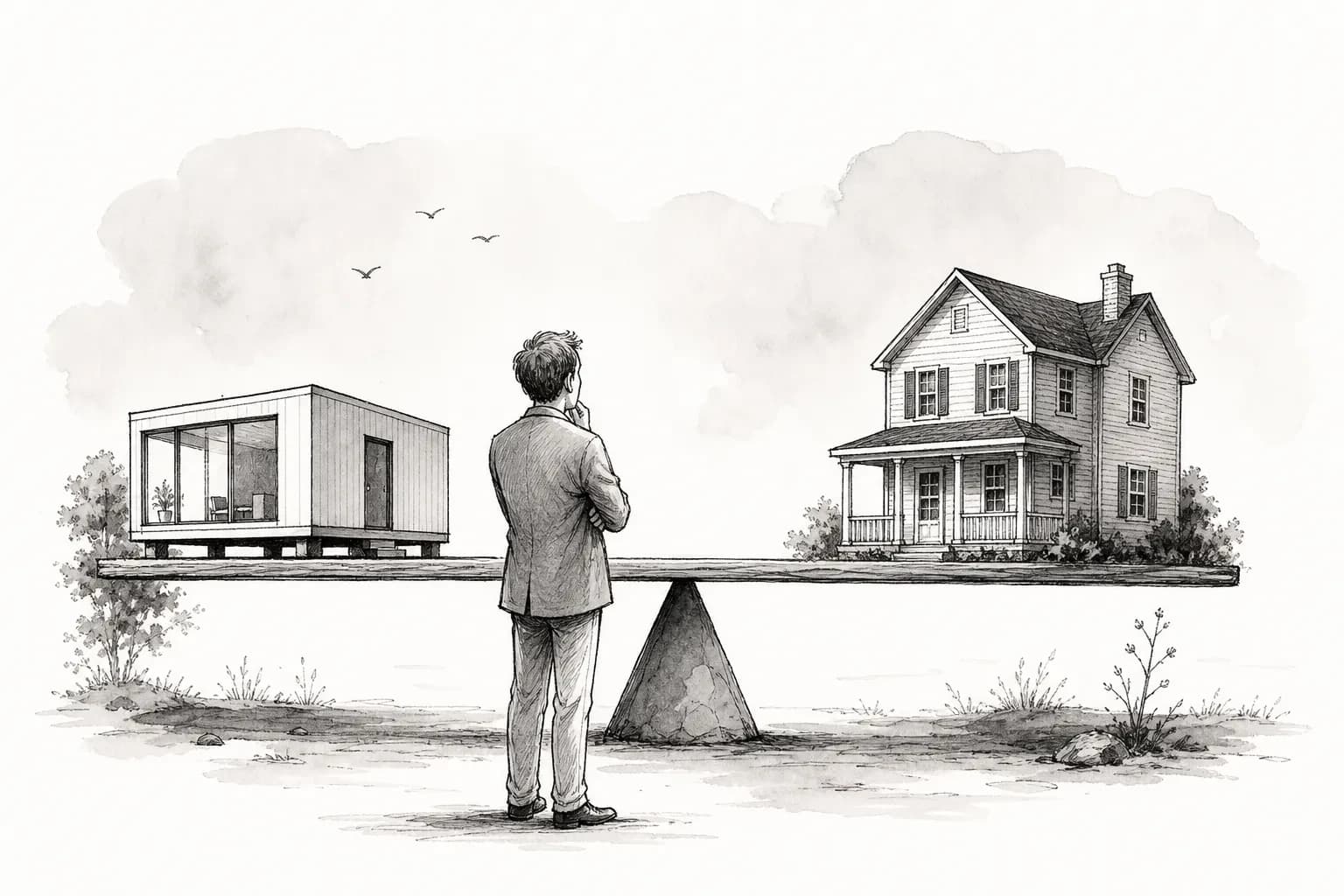
Buyers searching “prefab vs modular” or “prefab vs stick built” usually want one practical answer: which factory-built path fits their lot, budget, and lender. Prefab is the umbrella term for homes largely built off-site. Modular is a specific method under that umbrella, volumetric sections built to local building codes, transported, and assembled on a permanent foundation. Manufactured homes, panelized packages, kits, and many ADUs are also prefab, but they are not all modular.
Mixing up the labels creates expensive mistakes. A lender that will finance a modular home on owned land with a permanent foundation may decline a HUD-code manufactured home on leased land. A city that streamlines ADU modular units may still restrict certain tiny-home chassis products. This guide defines each method, compares them side by side, and shows how to use Prefably’s state directories after you know which path you need.
What “prefab” means
Prefab (prefabricated) means significant portions of the home are built in a factory rather than stick-framed entirely on site. The category includes modular volumetric boxes, panelized wall systems, kit packages, manufactured homes built to the HUD Code, and many accessory dwelling units (ADUs) and tiny homes.
Prefab is useful as a shopping term because it signals faster weather-protected production and more predictable quality control. It is not precise enough for permits or loans. When you talk to builders, appraisers, and lenders, name the construction method and the code path, modular/IRC (or state modular program) versus HUD Code manufactured, instead of stopping at “prefab.”
What “modular” means
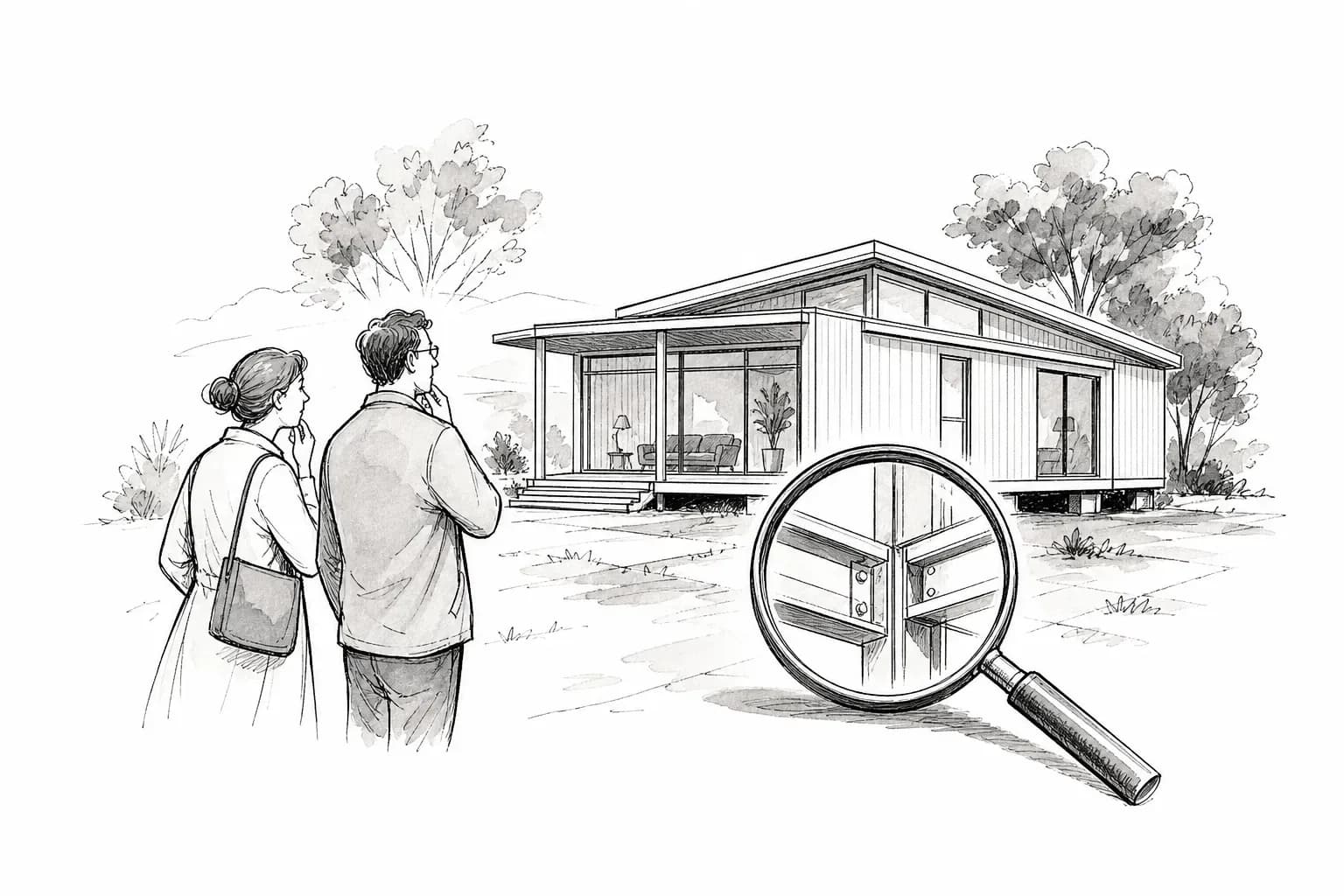
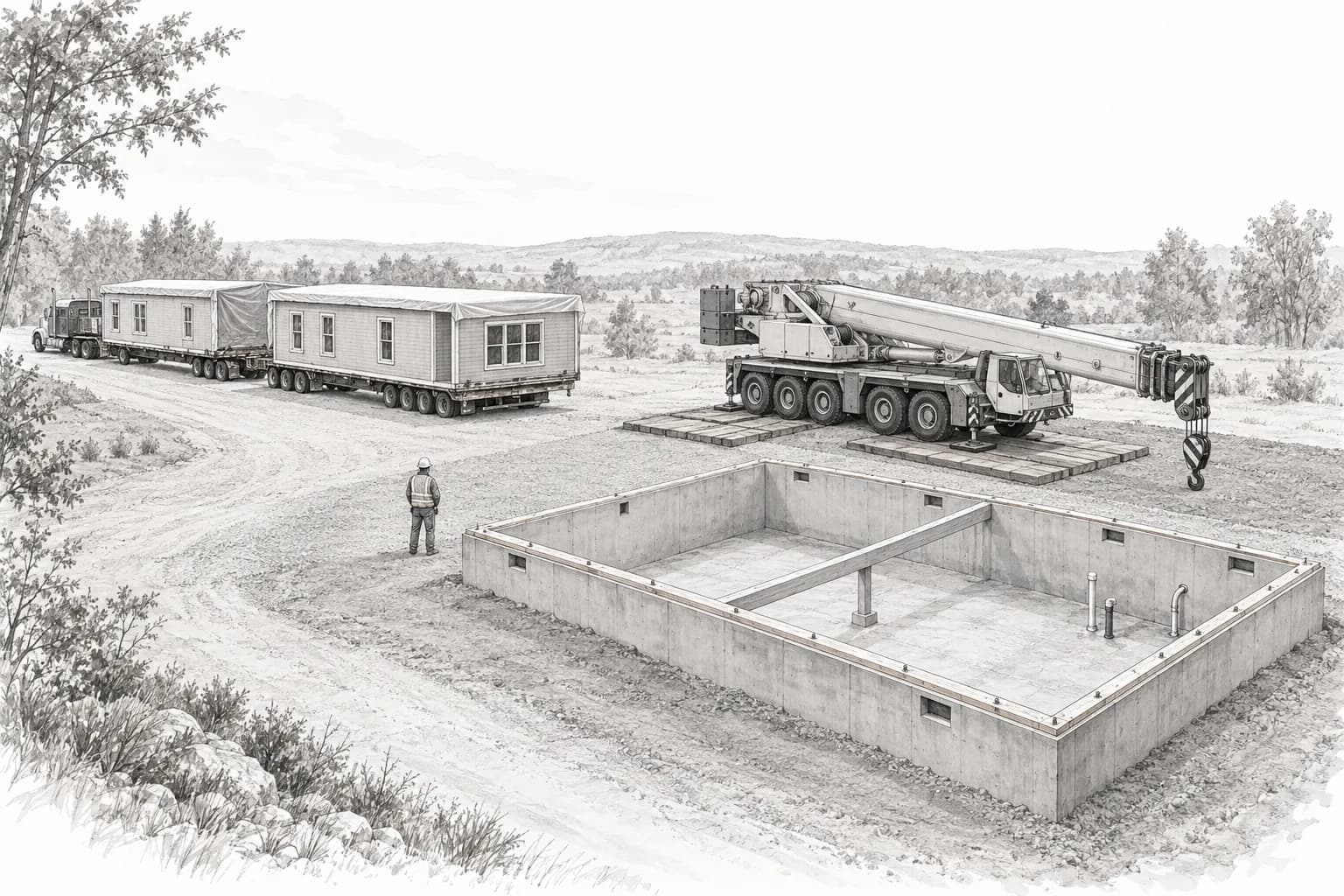
Modular homes are built as three-dimensional sections (modules) in a plant, shipped on trucks, crane-set on a permanent foundation, and finished on site. Modules are typically designed to the same local or state building codes that apply to site-built homes in that jurisdiction.
Because modular homes usually sit on permanent foundations and follow residential building codes, many markets treat them like conventional homes for appraisal, insurance, and mortgage purposes, after certificate of occupancy. Construction timelines are often shorter than full stick-built schedules, though site work, utilities, and weather still matter.
Ask modular builders for: code jurisdiction, plant location, delivery radius, foundation type, what the factory package includes, and what the site package excludes. Those answers matter more than marketing photos.
Manufactured, panelized, kits, ADUs, and tiny homes
Manufactured homes are built to the federal HUD Code and historically travel on a chassis. Modern manufactured homes can be high quality, but title, foundation, and lending rules often differ from modular. If you hear “mobile home,” clarify whether the seller means HUD-code manufactured housing, the legal category is what lenders use.
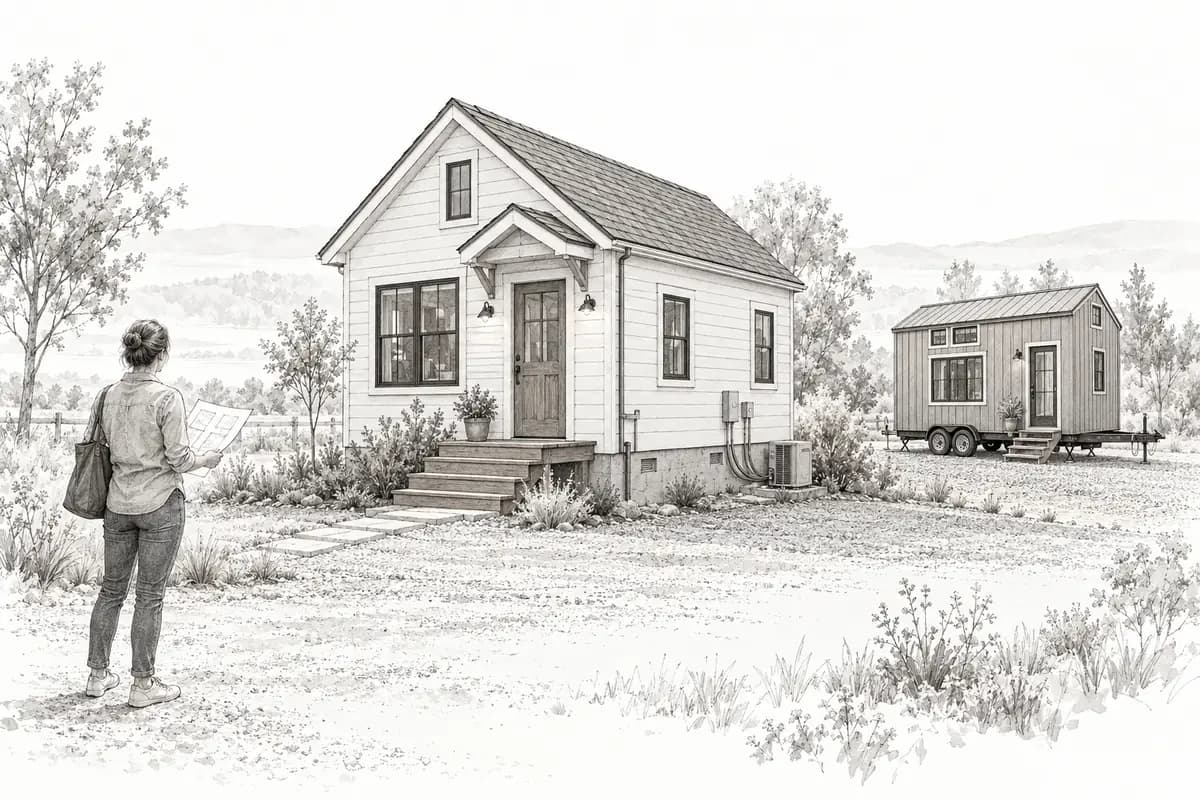
Panelized homes ship as wall panels, floor cassettes, or similar packages for more assembly on site than volumetric modular. Panelized homes covers cost, timeline, and when a flat-pack system beats a crane-set box. Kits may include lumber packages, SIPs, or DIY-oriented systems. ADUs and tiny homes can use any of these methods; zoning and utility rules often dominate the decision.
None of these are “worse” than modular by default. They solve different constraints. Match the method to land ownership, foundation permanence, local zoning, and the loan product your lender will actually approve.
Prefab vs modular vs manufactured (comparison)
Use this table as a starting point, then verify details with your builder, AHJ (authority having jurisdiction), and lender. Local programs can create exceptions.
| Factor | Modular | Manufactured (HUD) | Panelized / kit |
|---|---|---|---|
| Typical code path | Local / state residential codes | Federal HUD Code | Local codes (assembled on site) |
| Foundation | Usually permanent | Permanent or non-permanent options | Depends on design |
| Financing tendency | Often conventional / construction-to-perm | May need chattel or specialized products | Similar to site-built once complete |
| On-site labor | Lower than stick-built; set + finish | Set + connections; varies by dealer | Higher assembly than volumetric modular |
| Best fit | Primary homes wanting code parity | Cost-focused / certain rural lots | Custom layouts with factory-cut parts |
How buyers should decide
Start with land and lender, not floor plans. If you own land and want a permanent foundation with a standard mortgage path, modular is often the first method to evaluate. If your budget and lot point toward HUD-code products, interview manufactured dealers who understand local installation and title rules. If you want more custom geometry with factory precision, panelized or kits may fit, with more on-site coordination.
Next, pressure-test logistics: road access for module widths, crane pads, soil reports, utility distances, HOA design review, and seasonal set windows. A beautiful plan that cannot physically reach the site is not a plan.
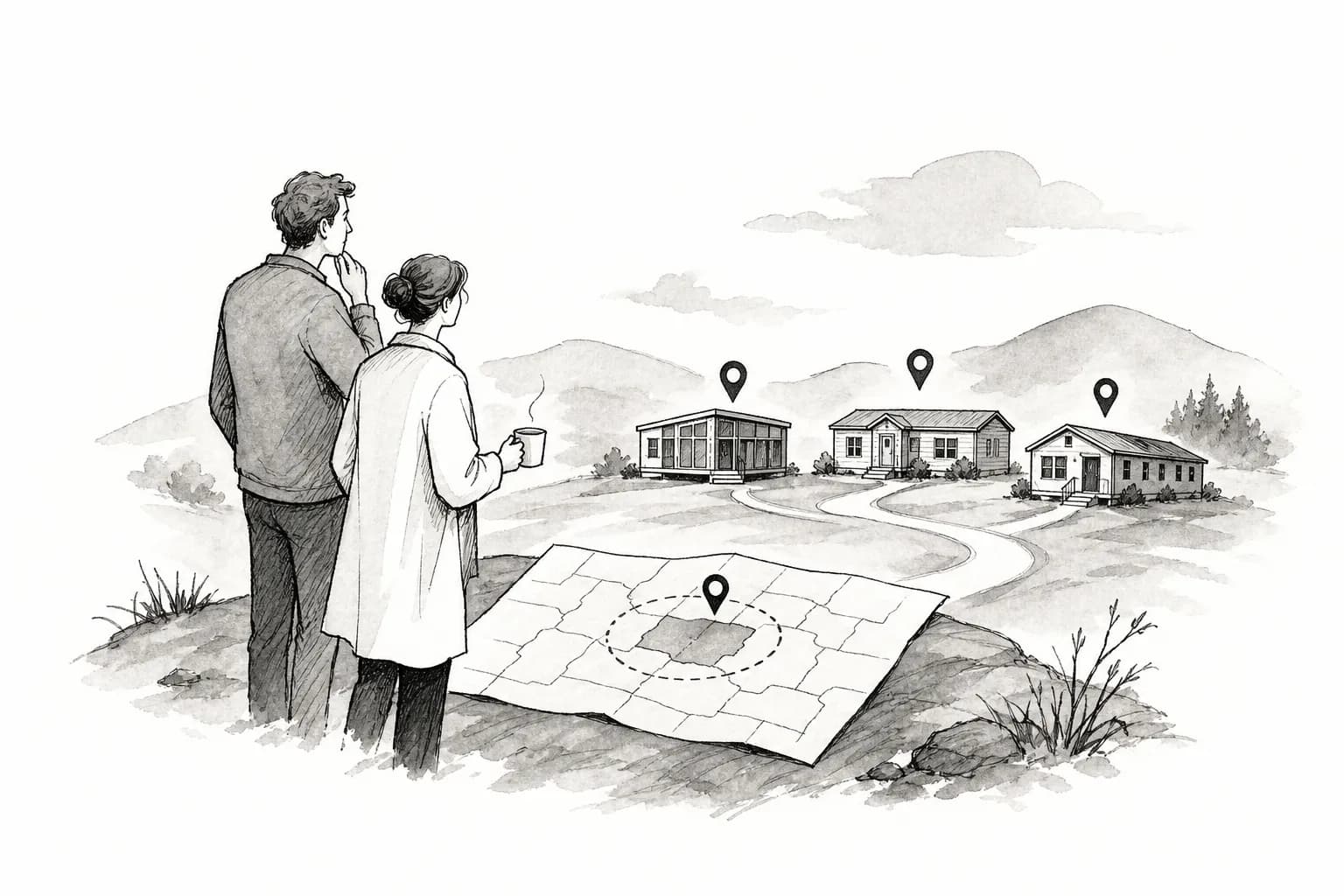
Finally, compare at least three companies on Prefably in your state. Ask each for a written scope separating factory price from site package, a sample timeline, and confirmation of modular vs manufactured labeling. Prefer profiles with published ratings and a working website, then contact builders directly.
Common myths
Myth: “Prefab always means cheap temporary housing.” Reality: modular homes can be luxury or mid-market and are often indistinguishable from site-built after finish.
Myth: “Modular and manufactured are the same.” Reality: different codes, and often different financing and appraisal treatment.
Myth: “Factory-built skips permits.” Reality: you still need local permits, inspections, and utility approvals. Factory certification does not erase site rules.
A practical shortlist workflow
Day one: decide whether you need modular code parity for financing, or whether a HUD-code manufactured path is acceptable for your land and lender. Day two: open your Prefably state page and shortlist five companies with clear websites and recent ratings when available. Day three: send the same email to all five asking for code path, factory vs site scope, and a sample timeline for a lot like yours.
Day four and five: review answers side by side. Discard anyone who will not put modular vs manufactured in writing. Schedule calls with the top three. Bring soil or survey notes if you have them. Only then visit a model home or plant, emotion after diligence beats diligence after emotion.
Keep neighboring-state builders in reserve if your lot sits near a border and delivery crews already cross it. Prefably’s nearby-state links on state pages make that easy without inventing a national tour.
Questions to ask every builder
Is this product modular to local/state residential code, or HUD-code manufactured? What foundation types do you support on permanent installs? What is included in the factory package versus the site package? Which counties have you set in during the last 12 months? Who pulls permits, you, a local GC, or the buyer? How do change orders and finish allowances work after the deposit?
Write the answers down and compare them in a spreadsheet. The builder who answers specifically, plant name, code path, sample timeline, usually outperforms the one who only sends a glossy brochure.
When prefab beats stick-built (and when it does not)
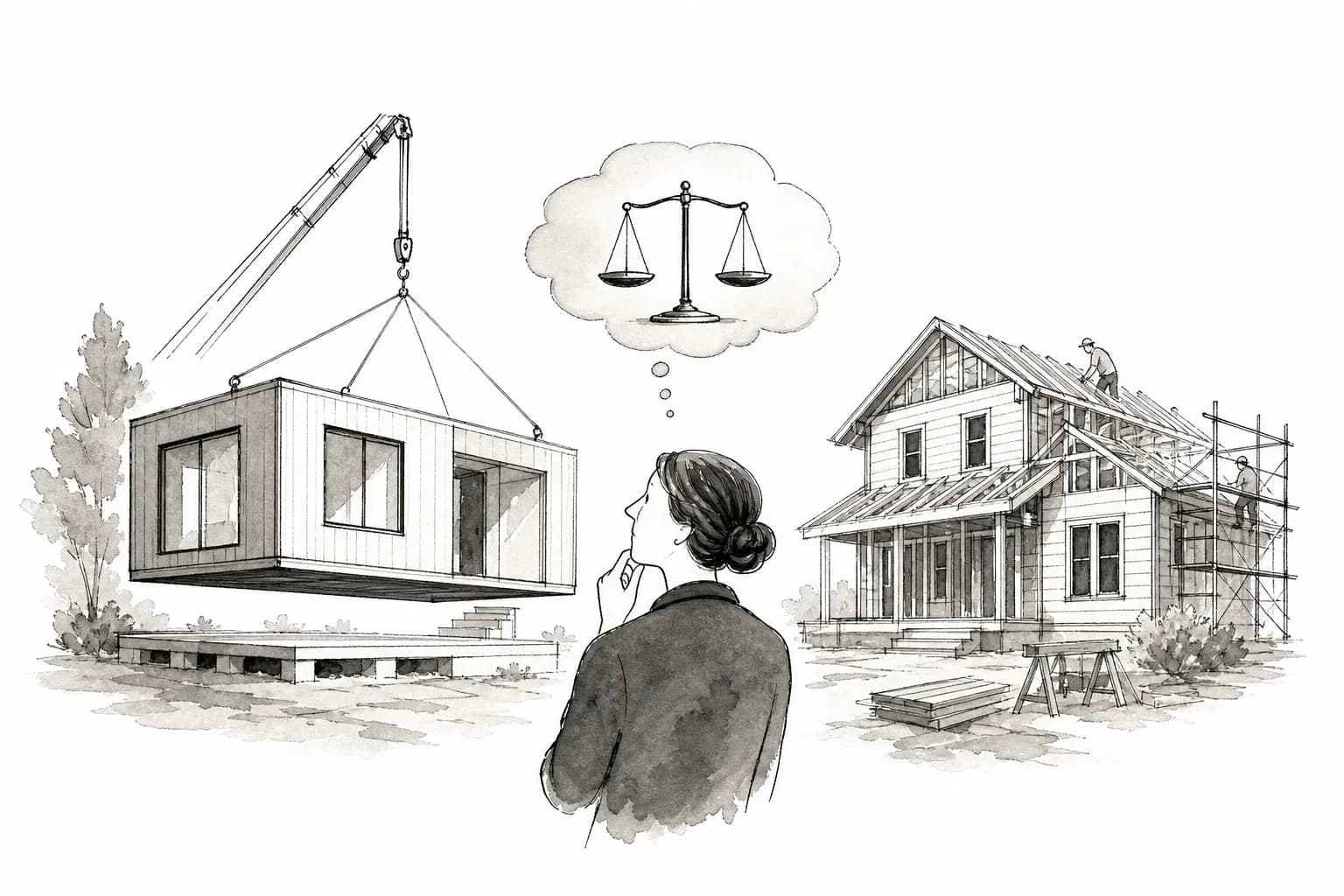
Factory production shines when you want weather-protected quality control, compressed schedules, and repetitive detailing done well. Prefab vs stick-built is not a 2025 quality contest with one winner: plant QC can beat a poorly supervised site crew, and a strong local GC can beat a weak factory finish. It is weaker when your site cannot accept module widths, when HOA design review rejects factory elevations, or when you insist on continuous mid-build redesign without a change-order budget.
Stick-built can still win for highly custom architecture on constrained urban lots where crane access is impossible. Even then, panelized systems sometimes bridge the gap. The point of the prefab vs modular decision is not ideology, it is matching constraints.
Next steps on Prefably
Browse modular home builders and prefab companies by state, starting with high-activity markets if you are still exploring, or go straight to your state page. Read the modular cost and financing guides so your shortlist conversations stay specific. If you run a factory-built company, claim or list your profile free so buyers see accurate specialties.
Texas, California, and Florida pages are strong starting points for volume and variety; your own state page is the right destination once land is identified. Keep this prefab vs modular framework handy when sales language blurs the categories.
FAQ
- Is a modular home the same as a prefab home?
- No. Prefab is the umbrella for homes largely built off-site. Modular is one method under that umbrella: volumetric sections built to local or state residential codes, trucked, and set on a permanent foundation. Manufactured, panelized, kit, ADU, and tiny homes can also be prefab without being modular.
- What is the difference between prefab and modular homes?
- Prefab describes off-site construction. Modular is the volumetric, local-code subset that is crane-set on a permanent foundation. When someone says prefab vs modular, they usually need the code path and foundation story, not a marketing synonym.
- Do modular homes finance like site-built houses?
- Often yes when they are built to local code, set on a permanent foundation, and underwritten as real property after certificate of occupancy. Confirm with your lender before you treat any factory quote as financeable. HUD-code manufactured homes usually follow a different loan path.
- What is HUD code vs modular?
- Modular homes follow state and local building codes (often IRC/IBC via a state industrialized-building program) and typically sit on a permanent foundation. Manufactured homes follow the federal HUD Code and historically travel on a chassis. Title, appraisal, insurance, and lending rules often differ even when the finished houses look similar. Manufactured home vs modular building code is the distinction lenders actually use.
- Are prefab homes better quality than stick-built homes?
- Not automatically, and not worse by default. Factory production can improve weather protection and QC on repetitive details. Stick-built can win on highly custom geometry or lots that cannot take module widths. Modular home quality vs traditional depends on the plant, the site crew, and the written scope, not the label. Ask for third-party inspections, warranty terms, and recent sets in your county.
- What are the pros and cons of a prefab home vs a traditional build?
- Prefab vs stick-built typically trades a faster, weather-protected box for stricter logistics: road widths, crane pads, and less mid-build redesign. Site-built can absorb design changes more easily but often runs longer and more weather-exposed. Compare factory-vs-site scopes, not catalog photos. Factory-built home comparison only works when both quotes include foundation, utilities, permits, and finish.
- What questions should I ask a prefab home builder before signing a contract?
- Is this modular to local code or HUD-code manufactured? Who pulls permits? What is included beyond the factory quote? Can you deliver and set on my lot? What is the deposit schedule if the site fails inspection? A prefab builder checklist is: code path, county delivery, written site package, ratings or website, and no pressure to wire before a site review. Compare at least three companies on Prefably.
Keep reading